India’s CRZ Rules: Coastal Zones, Building Setbacks and Approvals
India’s Coastal Regulation Zone (CRZ) rules control specified activities along the coast and tidal water bodies. For a coastal building project, start with the approved Coastal Zone Management Plan (CZMP), the plot’s mapped classification and the applicable notification. Distance from the sea alone cannot establish development permission.
What are CRZ-I, CRZ-II, CRZ-III and CRZ-IV?
Under the CRZ Notification, 2019, CRZ-IA covers identified sensitive coastal environments; CRZ-IB is the intertidal belt. CRZ-II covers qualifying developed urban areas. CRZ-III covers other coastal land, including rural areas. CRZ-IV covers specified marine and tidal waters.
The landward coastal belt generally extends 500 metres from the High Tide Line (HTL). Along tidal water bodies, the 2019 framework generally uses 50 metres or the creek width, whichever is less, subject to its conditions. Confirm the applicable plan and provisions for the site.
Is the coastal setback 50 metres or 200 metres?
CRZ-IIIA uses the 2011 Census density threshold above 2,161 people per square kilometre and provides a 50-metre no-development zone, subject to approved-plan requirements. CRZ-IIIB retains a 200-metre zone. Neither distance creates an unconditional right to build. CRZ-II development is subject to landward-side conditions, planning controls and applicable floor-space provisions.
How should you check a coastal plot in Kerala?
For a site in Kozhikode, Kochi or elsewhere along Kerala’s coast, organise a parcel-level review before fixing the building footprint. Ask your project team to assemble:
- Survey and subdivision numbers, title records and a current site survey.
- The relevant approved CZMP sheet, its approval reference and the mapped CRZ classification.
- The accepted HTL reference and any demarcation or mapping required for the application.
- Existing authorised building records, access information and the proposed use and floor area.
- A written schedule of permissions, submission responsibilities and unresolved questions.
Compare these documents together. If the cadastral boundaries and coastal map do not align clearly, resolve that discrepancy before treating a sketch plan as feasible. Keep the dated mapping and authority correspondence with the design brief.
Read the Kerala coastal-plot guide for a site-focused starting point.
What changed in the 2026 chemical-storage amendment?
G.S.R. 832(E), dated 22 September 2026, updates Annexure-II of the 2019 notification to include Linear Alkyl Benzene, N-Paraffin and Carbon Black Feedstock alongside the retained Bitumen entry. The amendment concerns receipt and storage outside CRZ-IA. It does not grant a general coastal building exemption.
Read the regulatory news update for the notification reference and implications for project planning.
What should your approval plan contain?
Separate the coastal assessment from the building design schedule. Have the relevant adviser identify the responsible authority and the correct submission route for your activity. Record which drawings, surveys and supporting reports must be ready before the application can be assessed. Track local building permission and other project approvals alongside the coastal requirements.
Avoid promising a construction start date before those dependencies are understood. If a permission is already held, check its scope, conditions and validity against the current proposal rather than assuming it covers later changes.
How could a coastal property combine outdoor events and accommodation?
A useful design brief is to investigate whether the coastal setback area can support compatible open-air landscape uses, while locating any permitted accommodation and permanent buildings beyond the applicable no-development line. This is a feasibility concept: the mapped zone, permitted activities and local approvals must support each part of it.
Can the CRZ setback area become a party lawn or function space?
An open-air gathering space or landscaped party lawn may be worth exploring with the relevant authority. Define the operation before designing it: occasional private gatherings and a commercial venue hosting regular functions are different briefs. Do not assume that open land, removable furniture or the absence of a roof makes an activity permissible.
For a proposed 100-person function, test access, parking, toilets, wastewater, waste collection, emergency access, accessibility and noise management. A guest count is a design input, not a CRZ exemption or an approved capacity. Keep associated facilities within locations where their use and construction are permitted, and establish the applicable event and operating permissions.
What about an amphitheatre or pool-party area?
Explore an amphitheatre concept only after checking whether excavation, retaining walls, permanent stepped seating, a stage or lighting foundations would be allowed. A landscape idea can become regulated construction through its details.
Treat a swimming pool and its plant, drainage, deck and changing facilities as separate feasibility items. A pool-party concept does not establish permission to build a pool in the setback. Consider locating those facilities in the permitted development area if the site assessment supports them, then review safe circulation between the accommodation and gathering spaces.
Can Airbnb-style accommodation be built beyond the setback?
Being beyond the no-development line does not necessarily mean being outside CRZ or having permission to construct. Check the remaining coastal-zone provisions, permitted land use, building controls and applicable hospitality or short-stay requirements before planning villas, cottages or guest accommodation. An Airbnb listing is a marketing channel; it does not establish a lawful building or operating use.
A coordinated concept could investigate accommodation in the permitted building area and compatible outdoor activities elsewhere on the property. Keep a plan showing the coastal lines, proposed activities, built elements and unresolved permissions so the owner can assess the opportunity before investing in detailed design.
What should you send URU for a coastal hospitality feasibility discussion?
Share the location, survey numbers, plot survey, available CZMP sheet, existing approvals and photographs. Tell us whether you envisage a private party lawn, commercial functions, an amphitheatre, a pool or short-stay accommodation, and give an indicative guest count. URU can use that brief to explore the spatial concept and identify questions requiring authority or specialist confirmation.
Frequently asked questions
Does a municipal building permit settle CRZ compliance?
Check both approval tracks explicitly with the relevant authorities. Keep the coastal classification and permission requirements visible in the project’s approval register.
Does the 2026 storage change reduce residential setbacks?
The cited Annexure-II amendment changes the product list. It does not revise residential setback provisions.
Can a satellite image establish my buildable area?
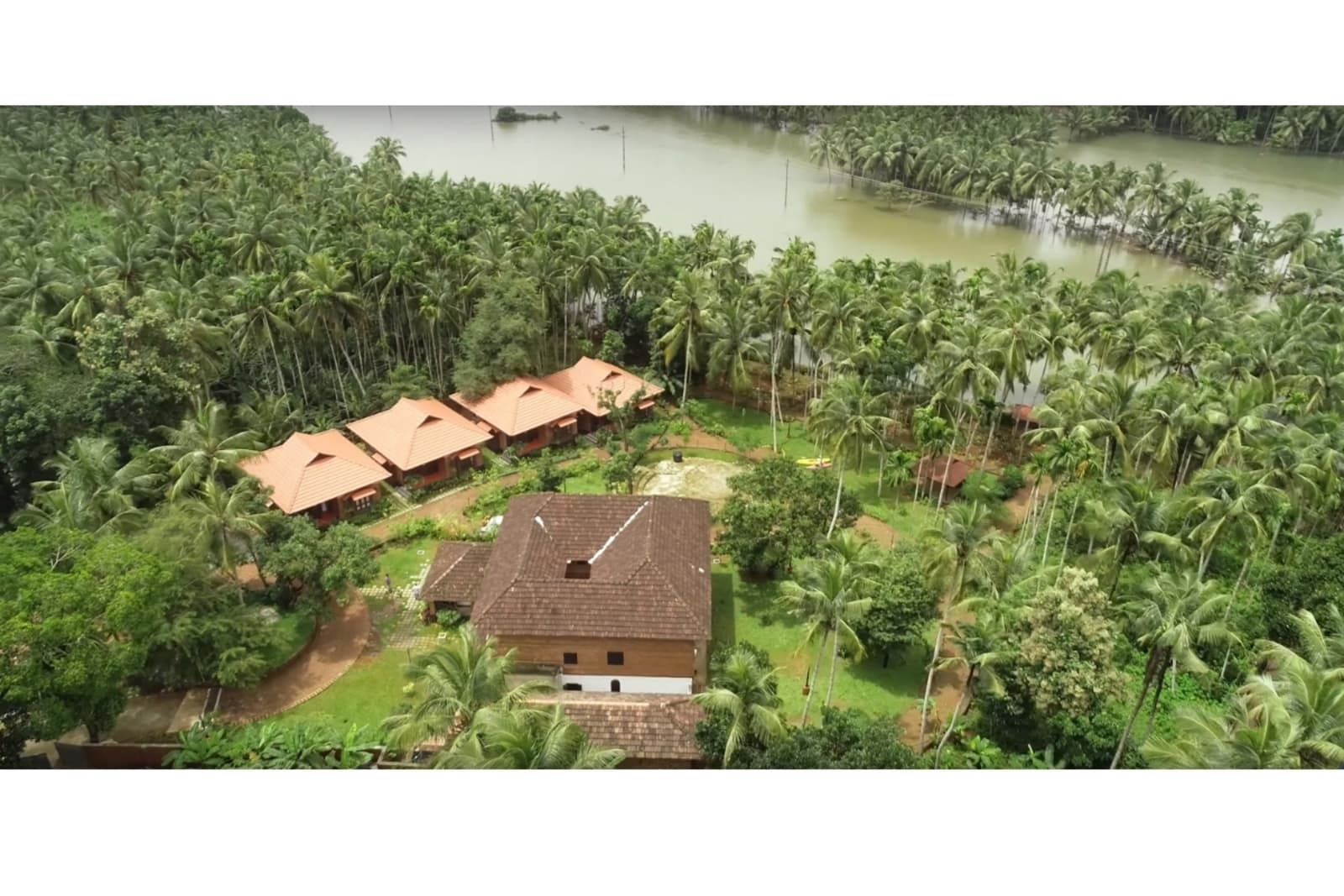
Use imagery to understand the site context, then obtain the applicable approved mapping and required demarcation. Do not use an online map measurement as the sole basis for a land purchase or final building footprint.
Discuss a coastal project brief with URU. Bring the survey numbers, location and intended use so that the initial design discussion starts with the right site information.
Editorial source check: 28 October 2026. This guide explains the framework; a parcel-specific assessment must use the applicable notification, approved plan and authority requirements.