Vastu and Cultural Preferences in Your Home Design Brief
If Vastu or a cultural tradition matters to your household, bring it into the first design conversation. At URU, we incorporate these perspectives when clients request them. Early discussion helps us understand the priorities before the layout, structure and building services become difficult to change.
Ancient wisdom informs every URU project, but a Vastu brief is a client choice. We do not assume that every household wants the same cultural approach, or that traditional-looking architecture demonstrates Vastu compliance.
Explain what matters to your household
Begin with the practices and preferences you want the home to support. These might concern a prayer space, how guests are welcomed, the relationship between cooking and gathering, privacy between generations, or preferred room orientations. Describe what is essential, what is flexible and who will help make the decisions.
Families may understand or apply traditions differently. Rather than choosing a generic checklist on your behalf, we ask you to identify the interpretation you wish to follow. If you plan to involve a separate Vastu adviser, discuss that role early so the design team knows whose recommendations need to be coordinated.
Bring the site into the same discussion
The design also has to respond to access, neighbouring buildings, views, available space, daylight, drainage and the engineering required for the proposal. A preferred arrangement may fit naturally; another may require a different sequence of rooms or a compromise elsewhere.
Our role is to make those relationships visible. For example, a requested entrance position can be considered alongside the route from the gate, privacy from the road and the use of the adjoining room. Exploring alternatives allows the household to understand the practical consequences before choosing a direction.
Record priorities before approving the plan
A short written brief can prevent the same decisions being reopened at each stage. Include:
- The cultural or Vastu preferences the household wants incorporated.
- Which preferences are essential and which can be discussed.
- Spaces needed for customs, gatherings or prayer, including storage and access.
- Any separate adviser, their role and the stage at which input is expected.
- The people who will review the options and confirm the agreed direction.
When a recommendation arrives after a plan has been approved, ask the design team to explain its implications for space, structure, services and the agreed programme before changing the drawings. Record the revised decision so all appointed disciplines work from the same information.
Keep cultural preferences and technical evidence clear
We respect the meaning that a tradition has for a client. We do not present a directional preference as proof of structural safety, thermal performance, health or future prosperity. Those are different kinds of claim and need their own evidence where applicable.
Cultural preferences are coordinated with the project’s safety, access and technical requirements. Where priorities conflict, we explain the available options and agree an approach with the client and relevant specialists. The scope of any specialist consultation should be stated in the appointment.
Use project references for what they actually show
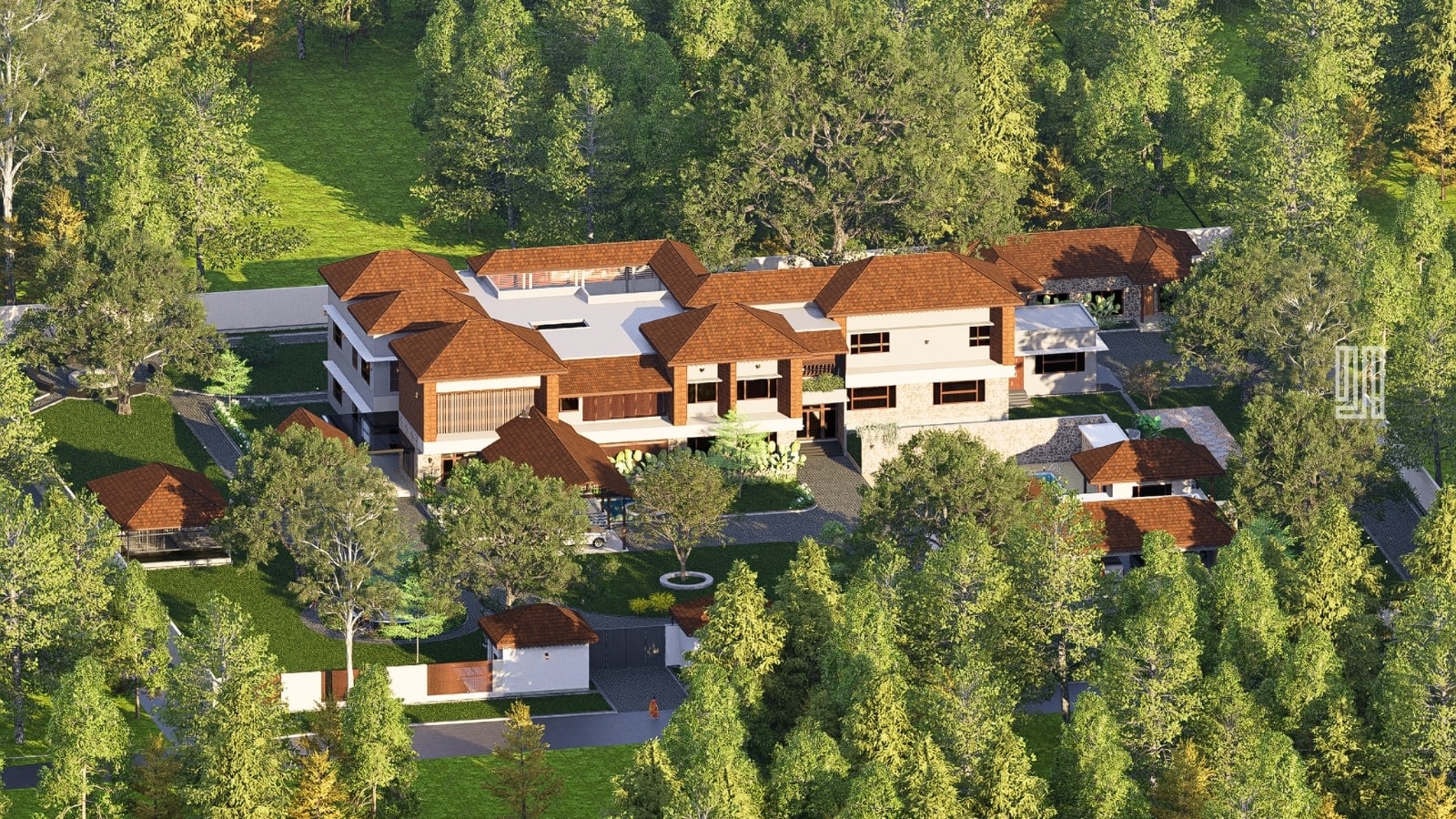
Courtyard House in Coorg is a useful reference for interpreting traditional architectural forms in a contemporary home. Pallak Heritage Resort illustrates the adaptation of a Nalukettu to a different use. Their published narratives support discussion of cultural memory, courtyards and verandahs; they do not establish a verified Vastu brief.
Use references to explain the atmosphere or way of living you value. Then describe any Vastu requirements separately, so the design brief reflects your actual priorities.
Read Ancient Wisdom for Modern Challenges, explore our approach, or review architectural design services.